Embark on a journey towards holistic well-being with our guide on lifestyle tips for mental and physical health. Discover how incorporating holistic practices can transform your overall well-being and enhance your quality of life.
Explore the interconnectedness of mental and physical health, and learn how simple changes in nutrition, mindfulness, physical activity, and self-care can make a profound difference.
Benefits of a Holistic Lifestyle
Living a holistic lifestyle involves addressing the mind, body, and spirit as interconnected parts of overall well-being. This approach considers the individual as a whole, focusing on balance and harmony in all aspects of life. The impact of holistic living on mental and physical health is substantial, leading to improved quality of life and increased longevity.
Improved Mental Health
- Practicing mindfulness and meditation can reduce stress and anxiety levels, promoting mental clarity and emotional well-being.
- Engaging in regular physical activity, such as yoga or tai chi, can enhance mood and cognitive function by releasing endorphins and improving blood flow to the brain.
- Eating a balanced diet rich in nutrients can support brain health and contribute to better focus, memory, and overall cognitive function.
Enhanced Physical Health
- Holistic practices like acupuncture and chiropractic care can help alleviate physical pain and improve overall body function by addressing underlying imbalances.
- Getting enough sleep and practicing good sleep hygiene are crucial for physical health, as restorative sleep is essential for healing and repairing the body.
- Staying hydrated, eating whole foods, and avoiding toxins can support the body's natural detoxification processes and boost immunity.
Interconnectedness of Mental and Physical Health
- Stress and negative emotions can manifest as physical symptoms in the body, highlighting the importance of addressing mental health to maintain physical well-being.
- Physical ailments or imbalances can impact mental health, leading to mood disturbances, cognitive impairments, and overall decreased quality of life.
- By adopting a holistic approach that considers both mental and physical health, individuals can achieve a state of balance and harmony that promotes overall well-being and longevity.
Holistic Nutrition Tips
Maintaining a holistic lifestyle involves paying attention to not just what we eat, but how it nourishes our bodies and minds. Here are some dietary recommendations to support overall well-being.
Importance of Whole Foods
Eating whole, unprocessed foods is crucial for holistic nutrition. These foods are rich in essential nutrients, antioxidants, and fiber that support overall health. Incorporating a variety of fruits, vegetables, whole grains, nuts, seeds, and legumes into your diet can provide a wide range of nutrients that support mental clarity and physical vitality.
Hydration and Balanced Nutrition
Proper hydration is key to maintaining overall health and well-being. Drinking an adequate amount of water helps with digestion, nutrient absorption, and detoxification. Additionally, balancing your meals with a mix of macronutrients
- carbohydrates, proteins, and healthy fats
- can help stabilize blood sugar levels and provide sustained energy throughout the day.
Specific Nutrients for Mental Clarity and Physical Vitality
Certain nutrients play a crucial role in supporting mental clarity and physical vitality. For example, omega-3 fatty acids found in fatty fish like salmon and walnuts can support brain function and reduce inflammation. Antioxidants like vitamin C and E found in fruits and vegetables can help protect cells from damage and support overall health.
Including sources of these nutrients in your diet can help enhance cognitive function and boost energy levels.
Mindfulness and Meditation
Mindfulness and meditation play a crucial role in promoting mental health by helping individuals cultivate awareness of their thoughts, emotions, and surroundings. These practices encourage present moment awareness, leading to reduced stress, anxiety, and improved overall well-being.
Meditation Techniques and Benefits
- Guided Meditation: Involves listening to an instructor or recorded audio to lead you through a meditation practice, promoting relaxation and focus.
- Transcendental Meditation: Involves silently repeating a mantra to achieve a state of relaxed awareness, reducing stress and enhancing creativity.
- Mindfulness Meditation: Focuses on being fully present in the moment, observing thoughts and sensations without judgment, leading to increased self-awareness and emotional regulation.
Role of Mindfulness in Stress Reduction
- Mindful Breathing: By focusing on the breath, individuals can anchor themselves in the present moment, calming the mind and reducing stress levels.
- Body Scan Meditation: Involves systematically bringing attention to different parts of the body, promoting relaxation and releasing tension.
- Loving-Kindness Meditation: Cultivates feelings of compassion and empathy towards oneself and others, enhancing overall well-being and reducing negative emotions.
Improving Focus through Mindfulness Practices
- Mindful Eating: Involves paying full attention to the sensory experience of eating, leading to improved digestion, better food choices, and increased satisfaction.
- Walking Meditation: Combines mindfulness with physical activity, promoting mental clarity, stress reduction, and enhanced focus.
- Visualization Meditation: Involves imagining positive outcomes or peaceful scenes to reduce anxiety, enhance creativity, and improve concentration.
Physical Activity and Holistic Health
Regular exercise plays a crucial role in promoting holistic health by benefitting both the mind and body. Physical activity is essential for maintaining mental clarity, emotional well-being, and physical fitness, all of which are key components of a holistic lifestyle.
Examples of Physical Activities
- Yoga: Combines physical postures, breathing exercises, and meditation to improve flexibility, strength, and mental focus.
- Running: Boosts cardiovascular health, releases endorphins that elevate mood, and enhances overall physical endurance.
- Dancing: Provides a fun way to stay active, improve coordination, and reduce stress through rhythmic movement.
- Hiking: Allows for connection with nature, boosts mental clarity, and provides a full-body workout.
Importance of Movement in Holistic Lifestyle
Movement is essential for maintaining a balanced and healthy body and mind. Incorporating physical activity into a holistic lifestyle helps to reduce stress, improve mood, increase energy levels, and enhance overall well-being. By engaging in regular exercise, individuals can support their holistic health by promoting physical strength, mental clarity, and emotional resilience.
Holistic Self-Care Practices
Taking care of yourself in a holistic way is essential for maintaining both mental and physical well-being. It involves incorporating practices that nurture all aspects of your being, including your mind, body, and spirit.
Importance of Rest, Relaxation, and Stress Management
Rest, relaxation, and stress management are crucial components of a holistic self-care routine. Adequate rest allows your body to recharge and repair, while relaxation techniques help to calm the mind and reduce tension. Managing stress is essential for overall health, as chronic stress can lead to a variety of physical and mental health issues.
- Make sleep a priority by establishing a bedtime routine and creating a restful sleep environment.
- Practice mindfulness and deep breathing exercises to promote relaxation and reduce stress.
- Incorporate stress-reducing activities such as yoga, meditation, or spending time in nature into your daily routine.
- Set boundaries and learn to say no to activities or commitments that cause unnecessary stress.
Tips for Creating a Holistic Self-Care Routine
Creating a holistic self-care routine involves taking small, consistent actions to care for your mind, body, and spirit on a daily basis. It's about prioritizing your well-being and making self-care a non-negotiable part of your life.
- Start your day with a healthy breakfast and a few moments of quiet reflection or gratitude practice.
- Engage in regular physical activity that you enjoy, whether it's yoga, dancing, or going for a walk in nature.
- Schedule regular self-care activities such as a relaxing bath, reading a book, or connecting with loved ones.
- Practice self-compassion and positive self-talk to cultivate a healthy relationship with yourself.
- Listen to your body and honor its needs, whether that means taking a break, seeking support, or nourishing yourself with wholesome foods.
Last Point
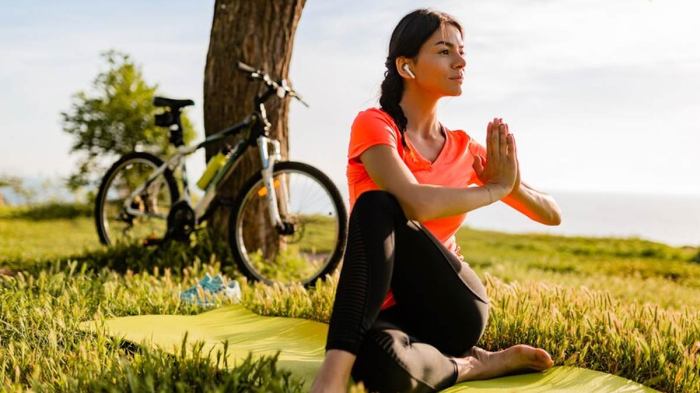
In conclusion, embracing a holistic lifestyle is not just a trend but a transformative approach to nurturing your mind and body. By following the tips discussed, you can embark on a path to a healthier, more balanced life.
Essential FAQs
How does holistic living impact mental and physical health?
Holistic living focuses on the whole person, addressing mental, physical, and emotional aspects, leading to improved overall health.
What are some examples of holistic self-care practices?
Holistic self-care practices include mindfulness, meditation, adequate rest, stress management, and engaging in activities that bring joy and relaxation.
Why is mindfulness important for mental health?
Mindfulness helps individuals stay present, manage stress, improve focus, and cultivate a sense of inner peace and well-being.
How can physical activity contribute to holistic health?
Regular physical activity enhances mental clarity, physical fitness, and overall well-being by releasing endorphins and reducing stress.