Embark on a journey to discover the ins and outs of creating a personalized digital health plan. This guide will delve into the importance of customization, utilizing technology, and collaborating with healthcare professionals to enhance your well-being.
Learn how to tailor your health goals, track your progress, and communicate effectively with your healthcare team for a holistic approach to your digital health plan.
Understand the Basics of Personalized Digital Health Plans
Personalized digital health plans are tailored health management strategies that leverage technology to provide individualized care and support. These plans take into account a person's unique health profile, goals, and preferences to deliver targeted interventions and guidance.
Importance of Personalized Digital Health Plans
Personalized digital health plans play a crucial role in promoting proactive and personalized healthcare. By focusing on the specific needs and circumstances of each individual, these plans can lead to better health outcomes, increased engagement, and improved adherence to treatment regimens.
Components of Personalized Digital Health Plans
- Health Assessment: Conducting a thorough evaluation of an individual's health status, medical history, and risk factors to create a baseline for personalized interventions.
- Goal Setting: Collaborating with the individual to establish clear health goals and objectives that are realistic, measurable, and relevant to their well-being.
- Personalized Interventions: Designing tailored interventions, such as lifestyle modifications, medication management, and remote monitoring, to address specific health needs and support behavior change.
- Data Tracking: Utilizing digital tools to monitor health metrics, track progress, and provide real-time feedback to individuals and healthcare providers.
- Communication and Support: Facilitating ongoing communication between individuals and their healthcare team, offering guidance, education, and motivation throughout the care journey.
Assessing Personal Health Needs
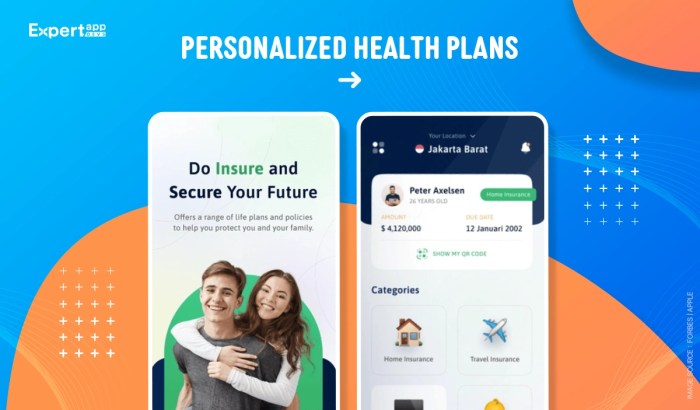
When it comes to building a personalized digital health plan, one of the crucial steps is assessing individual health needs. This process involves understanding the specific health requirements of an individual to tailor the digital health plan accordingly.Considering personal health history is essential in this assessment.
By taking into account past medical conditions, genetic predispositions, and lifestyle factors, healthcare providers can create a more effective and personalized digital health plan. This information helps in identifying potential risks and areas that require more focus and attention.
Methods for Assessing Individual Health Needs
- Conducting comprehensive health assessments, including physical examinations and medical history reviews.
- Using digital health tools and wearables to track and monitor vital health indicators like heart rate, blood pressure, and activity levels.
- Utilizing health questionnaires and surveys to gather information about lifestyle habits, dietary preferences, and overall well-being.
Importance of Identifying Specific Health Goals
Identifying specific health goals is crucial for customizing a digital health plan. These goals serve as the foundation for designing interventions and strategies to improve health outcomes. By setting clear and achievable objectives, individuals can track their progress and stay motivated to make positive changes in their health habits.
How to Identify Specific Health Goals for Customization
- Start by prioritizing health goals based on individual needs and preferences.
- Set realistic and measurable goals that can be tracked over time.
- Consult with healthcare providers or wellness coaches to establish personalized health goals that align with overall well-being objectives.
Utilizing Technology for Personalized Health Plans
Technology plays a crucial role in the development and implementation of personalized health plans. By leveraging various health tracking devices and apps, individuals can actively monitor their health metrics, track progress, and adhere to their digital health plans more effectively.
Types of Health Tracking Devices and Apps
- Smartwatches and fitness trackers: These devices can monitor heart rate, sleep patterns, steps taken, and calories burned, providing valuable insights into overall health and fitness levels.
- Blood pressure monitors and glucose meters: Individuals with specific health conditions can use these devices to track their blood pressure levels and blood sugar levels regularly.
- Digital scales and body composition analyzers: These tools help individuals track their weight, body mass index (BMI), and body fat percentage over time.
Role of Wearable Devices in Tracking Progress
Wearable devices, such as smartwatches and fitness trackers, play a crucial role in tracking progress and adherence to digital health plans. These devices provide real-time data on various health metrics, allowing individuals to make informed decisions about their lifestyle choices.
For example, a smartwatch can remind users to stand up and move around if they have been sedentary for too long, promoting physical activity throughout the day.
Examples of Technology in Monitoring Health Metrics
For instance, an individual with diabetes can use a glucose meter to track their blood sugar levels regularly and adjust their diet or medication accordingly. Similarly, a fitness tracker can monitor heart rate during exercise sessions, helping users stay within their target heart rate zone for optimal cardiovascular health.
Collaborating with Healthcare Professionals
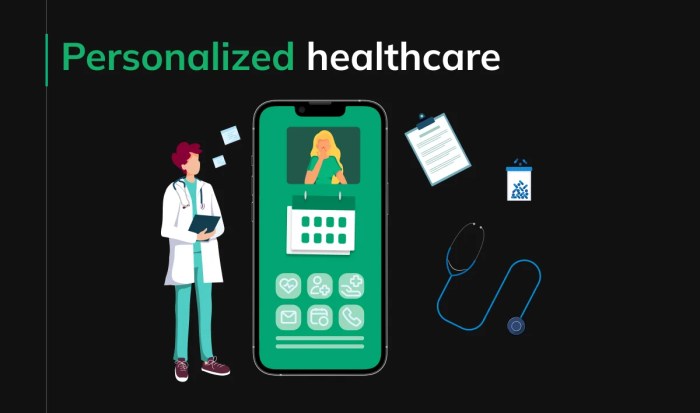
Effective collaboration with healthcare professionals is crucial in creating a personalized digital health plan. Healthcare providers bring expertise, experience, and a holistic perspective that can greatly enhance the effectiveness of your health plan. Here are some tips on how to communicate effectively with doctors or specialists about your digital health plan:
Communicating Your Needs
- Be clear and concise about your health goals and concerns.
- Provide detailed information about your medical history, current medications, and any ongoing treatments.
- Ask questions and seek clarification on any aspect of the digital health plan that you do not understand.
Benefits of Interdisciplinary Collaboration
Effective interdisciplinary collaboration among healthcare professionals can lead to a more comprehensive approach to your health. Here are some key benefits of such collaboration:
- Access to a diverse range of expertise and perspectives for a well-rounded health plan.
- Improved coordination of care and integration of different treatment modalities.
- Enhanced communication and information sharing among healthcare team members for better outcomes.
Ultimate Conclusion
In conclusion, building a personalized digital health plan empowers individuals to take charge of their health journey. By leveraging technology and expert guidance, you can create a plan that is tailored to your unique needs and goals, paving the way for a healthier future.
Question & Answer Hub
How often should I review and update my personalized digital health plan?
It is recommended to review and update your plan at least once a year or whenever there are significant changes in your health status or goals.
Can I incorporate traditional medicine into my digital health plan?
Yes, you can integrate traditional medicine practices into your plan, but it's important to consult with your healthcare provider for guidance and coordination.
Are there any privacy concerns related to using health tracking apps?
Privacy is a valid concern. Choose apps from reputable developers, review their privacy policies, and ensure your data is secure and protected.