Exploring effective strategies for managing chronic stress is essential for maintaining overall well-being. From physical activities to cognitive approaches, this guide delves into various techniques that actually work in combating chronic stress.
As we navigate through the nuances of chronic stress management, we discover insightful ways to improve mental and physical health while fostering a balanced lifestyle.
Introduction to Chronic Stress Management
Chronic stress is a prolonged state of psychological or emotional strain that can have detrimental effects on both mental and physical health. It can lead to anxiety, depression, high blood pressure, heart disease, and other serious health conditions if left unmanaged.
Managing chronic stress is crucial for maintaining overall well-being and quality of life.
Impact of Chronic Stress
Chronic stress can manifest in various ways, impacting individuals differently. Some common effects include:
- Insomnia and sleep disturbances
- Decreased immune function
- Weight gain or loss
- Digestive issues
- Increased risk of heart disease
- Impaired cognitive function
Prevalence of Chronic Stress
Research indicates that chronic stress is highly prevalent in modern society. According to the American Institute of Stress, around 77% of people regularly experience physical symptoms caused by stress, with 73% reporting psychological symptoms. Additionally, the World Health Organization has identified stress as the "health epidemic of the 21st century," highlighting the urgent need for effective stress management strategies.
Physical Strategies for Managing Chronic Stress
Physical activities play a crucial role in reducing chronic stress levels by releasing endorphins, improving mood, and promoting overall well-being. Engaging in regular exercise can help alleviate stress-related symptoms and enhance mental health.
Types of Physical Activities
- Aerobic exercises: Activities like running, swimming, or cycling can increase heart rate and improve cardiovascular health, leading to a reduction in stress levels.
- Strength training: Lifting weights or using resistance bands can boost muscle strength and endurance, aiding in stress management.
- Yoga: Combining physical postures, breathing techniques, and meditation, yoga helps improve flexibility, reduce muscle tension, and promote relaxation.
- Tai Chi: This gentle form of martial arts involves slow, flowing movements that can enhance balance, coordination, and mental focus while reducing stress.
Physiological Mechanisms of Physical Exercise
Regular physical activity triggers the release of endorphins, known as "feel-good" hormones, which act as natural painkillers and mood elevators. Exercise also reduces levels of cortisol, the stress hormone, and promotes better sleep quality, all contributing to stress reduction.
Relaxation Techniques
- Progressive Muscle Relaxation: Involves tensing and then relaxing different muscle groups to release physical tension and induce a state of calmness.
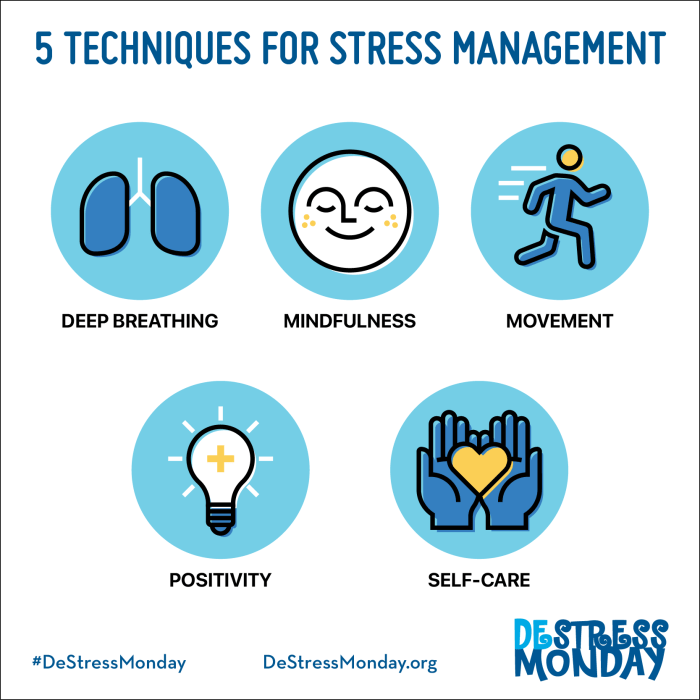
- Deep Breathing Exercises: Focusing on slow, deep breaths can help activate the body's relaxation response and reduce stress levels.
- Mindfulness Meditation: Practicing mindfulness techniques can enhance self-awareness, promote emotional regulation, and improve overall resilience to stress.
Cognitive and Behavioral Approaches to Chronic Stress Management
Cognitive and behavioral approaches play a crucial role in managing chronic stress by addressing thought patterns and behaviors that contribute to stress levels.
Cognitive-Behavioral Therapy (CBT)
Cognitive-behavioral therapy (CBT) is a widely recognized approach to managing chronic stress. It focuses on identifying and changing negative thought patterns and behaviors that lead to stress. By working with a therapist, individuals can learn coping strategies to reframe their thinking and improve their responses to stressors.
Changing Thought Patterns and Behaviors
Mindfulness
Practicing mindfulness involves being present in the moment without judgment. This approach can help individuals reduce stress by focusing on the present rather than worrying about the future or dwelling on the past.
Journaling
Keeping a journal to track thoughts and emotions can provide insight into patterns that contribute to stress. By identifying triggers and patterns, individuals can work towards developing healthier coping mechanisms.
Reframing Negative Thoughts
Reframing negative thoughts involves challenging and replacing unhelpful thoughts with more balanced and realistic ones. This cognitive restructuring can lead to a more positive outlook and reduced stress levels.
Social and Emotional Support for Coping with Chronic Stress
Building a strong support network is crucial in effectively managing chronic stress. Social connections play a significant role in providing emotional support and resilience during challenging times.
The Role of Support Groups and Therapy
Support groups and therapy sessions can offer a safe space for individuals to share their experiences, receive guidance, and connect with others facing similar challenges. These platforms provide emotional support, validation, and coping strategies to help individuals navigate through chronic stress.
Tips for Building a Strong Support Network
- Identify trustworthy and supportive individuals in your life, such as family members, friends, or colleagues, who you can turn to during times of stress.
- Communicate openly and honestly with your support network about your feelings, needs, and boundaries to foster a deeper connection and understanding.
- Seek professional help if needed, such as counseling or therapy, to gain additional support and coping mechanisms for managing chronic stress.
- Participate in social activities or groups that align with your interests and values to expand your social circle and build new connections.
- Practice active listening and empathy when interacting with others, as offering support and understanding can strengthen relationships and provide a sense of belonging.
Summary
In conclusion, implementing these proven strategies can significantly impact how we cope with chronic stress. By prioritizing our mental and physical well-being, we pave the way for a healthier and more fulfilling life.
FAQs
How does cognitive-behavioral therapy (CBT) help manage chronic stress?
Cognitive-behavioral therapy focuses on changing negative thought patterns and behaviors, which can lead to a reduction in stress levels over time.
What are some examples of relaxation techniques for chronic stress management?
Relaxation techniques like yoga, tai chi, and progressive muscle relaxation can help alleviate chronic stress by promoting relaxation and mindfulness.
How important is social support in coping with chronic stress?
Social connections play a crucial role in managing chronic stress as they provide emotional support and a sense of belonging, which can help individuals cope better.