How to maintain a healthy lifestyle while working from home: Health benefits of intermittent fasting explained sets the stage for this informative discussion, offering readers a comprehensive look into the advantages of intermittent fasting and practical tips for maintaining wellness in a remote work environment.
The following paragraphs delve into the key aspects of intermittent fasting, healthy eating habits, physical activity, and mental health strategies to help individuals thrive while balancing work and well-being.
Health benefits of intermittent fasting
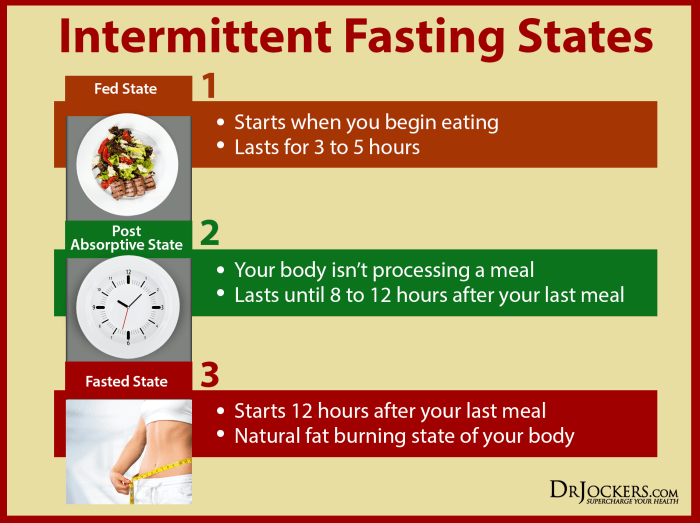
Intermittent fasting is an eating pattern that cycles between periods of fasting and eating. It does not specify which foods to eat but rather when to eat them. This approach to eating is more about when you eat rather than what you eat.
Concept of intermittent fasting
Intermittent fasting involves alternating cycles of fasting and eating. During the fasting period, no food is consumed, while during the eating period, normal meals are consumed.
Potential health benefits
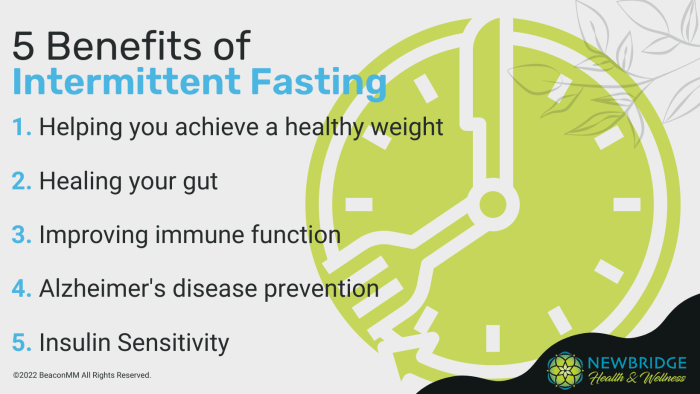
- Weight loss: Intermittent fasting can help in weight loss by restricting calorie intake during fasting periods.
- Improved metabolic health: It can improve various risk factors for heart disease, such as blood pressure, cholesterol levels, blood sugar levels, and insulin sensitivity.
- Brain health: Some studies suggest that intermittent fasting may help protect against neurodegenerative diseases.
Popular intermittent fasting methods
- 16/8 method: Involves fasting for 16 hours a day and eating all meals within an 8-hour window.
- 5:2 diet: Involves eating normally for 5 days a week and restricting calorie intake to 500-600 calories on the other 2 days.
- Alternate-day fasting: Includes fasting every other day or eating very few calories on fasting days.
Contribution to a healthy lifestyle while working from home
Intermittent fasting can be beneficial for those working from home by providing structure to meal times, promoting mindful eating, and potentially aiding in weight management. It can also help in establishing a routine and creating a healthy balance between work and personal life.
Healthy eating habits while working from home
Maintaining a balanced diet is essential for remote workers to stay healthy and productive. By making conscious food choices and planning meals ahead of time, individuals can fuel their bodies with the nutrients needed to thrive in a work-from-home environment.
Meal Planning and Preparation
- Set aside time each week to plan your meals and snacks. This can help you make healthier choices and avoid last-minute temptations.
- Prepare meals in advance to save time during the workweek. Consider batch cooking and storing portions for easy access.
- Include a variety of fruits, vegetables, whole grains, lean proteins, and healthy fats in your meals to ensure a well-rounded diet.
Nutritious Snack Ideas
- Opt for snacks that are high in protein and fiber to keep you full and satisfied between meals. Examples include Greek yogurt with fruit, nuts, or hummus with veggie sticks.
- Avoid processed snacks high in sugar and unhealthy fats, as they can lead to energy crashes and decreased productivity.
- Keep healthy options readily available, such as pre-cut fruits and vegetables, to prevent mindless snacking on less nutritious choices.
Hydration for Health and Productivity
- Drink an adequate amount of water throughout the day to stay hydrated and maintain focus. Dehydration can lead to fatigue and reduced cognitive function.
- Aim to consume at least 8-10 cups of water daily, and consider incorporating herbal teas or infused water for added flavor and hydration benefits.
- Avoid excessive consumption of sugary beverages and caffeinated drinks, as they can disrupt sleep patterns and overall well-being.
Physical activity and exercise routines
Regular physical activity is crucial for maintaining a healthy lifestyle, especially for individuals working from home. Incorporating exercise into your daily routine can improve mood, productivity, and overall well-being. Here are some recommendations for home-based exercises and strategies to stay active while balancing work responsibilities:
Home-based exercises
- Bodyweight exercises such as squats, lunges, push-ups, and planks can be done without any equipment.
- Yoga or Pilates routines can help improve flexibility, strength, and mindfulness.
- Dance workouts or aerobics videos are fun ways to get your heart rate up and burn calories.
- Using household items like water bottles or chairs for resistance training exercises.
Movement breaks throughout the day
- Set reminders to take short breaks every hour to stretch or walk around.
- Stand up and move while taking phone calls or during virtual meetings.
- Do quick exercises like jumping jacks or high knees between tasks to boost energy levels.
- Use a standing desk or adjustable workstation to alternate between sitting and standing throughout the day.
Staying active while working
- Schedule specific workout times in your calendar to make exercise a priority.
- Incorporate physical activity into daily tasks, such as walking or biking for errands instead of driving.
- Join online fitness classes or virtual workout challenges for motivation and accountability.
- Take advantage of breaks to do quick workouts or go for a brisk walk outside to refresh your mind and body.
Mental health and stress management
Maintaining good mental health and managing stress is crucial, especially when working from home. The blurred lines between work and personal life can take a toll on one's mental well-being. Here are some tips to help you stay mentally healthy and manage stress effectively.
Setting boundaries between work and personal life
It is important to establish clear boundaries between work and personal life to prevent burnout and maintain a healthy work-life balance. Here are some ways to set boundaries:
- A designated workspace: Create a separate area in your home specifically for work to help you mentally switch off when the workday is over.
- Set specific work hours: Define your work hours and stick to them to avoid overworking and ensure time for relaxation and personal activities.
- Avoid checking work emails or messages outside of work hours: Disconnect from work-related communication once your workday ends to prevent work from encroaching on your personal time.
- Take regular breaks: Schedule short breaks throughout the day to recharge and avoid burnout.
Relaxation techniques to reduce stress
Managing stress is essential for maintaining good mental health. Here are some relaxation techniques you can incorporate into your daily routine:
- Deep breathing exercises: Practice deep breathing techniques to calm your mind and reduce stress levels.
- Meditation: Take a few minutes each day to meditate and clear your mind of stress and anxiety.
- Yoga: Engage in yoga sessions to relax your body and mind, promoting overall well-being.
- Listen to music: Listening to calming music can help reduce stress and improve your mood.
Final Conclusion
In conclusion, the benefits of intermittent fasting and adopting a healthy lifestyle while working from home are vast and rewarding. By incorporating these practices into daily routines, individuals can enhance their overall well-being and productivity, leading to a fulfilling work-life balance.
Questions and Answers
How long should I fast during intermittent fasting?
The duration of fasting can vary based on the method you choose, but commonly ranges from 12 to 16 hours for optimal results. Experiment with different fasting windows to find what works best for you.
Can intermittent fasting be combined with specific diets like keto or paleo?
Yes, intermittent fasting can be integrated with various diets like keto or paleo to amplify their benefits. Consult with a healthcare provider or nutritionist for personalized advice.
Is it necessary to exercise while practicing intermittent fasting?
While exercise is not mandatory during intermittent fasting, incorporating physical activity can enhance the overall health benefits and contribute to better results. Choose activities that align with your fitness level and preferences.
How can I manage hunger pangs while fasting?
Stay hydrated, consume fiber-rich foods during eating windows, and distract yourself with activities to manage hunger pangs effectively during fasting periods.