Lifestyle and diet tips to manage anxiety naturally set the stage for this enthralling narrative, offering readers a glimpse into a story that is rich in detail and brimming with originality from the outset. In a world where anxiety is prevalent, understanding how lifestyle changes, dietary modifications, stress management techniques, and social support can play a crucial role in alleviating anxiety is vital.
Let's delve into the depths of these strategies and explore how they can positively impact mental well-being.
Lifestyle Changes
Making certain lifestyle changes can significantly help in managing anxiety naturally. These changes can have a positive impact on both mental and physical well-being, leading to a reduction in anxiety levels.
Regular Exercise
Regular exercise plays a crucial role in managing anxiety levels. Physical activity helps in releasing endorphins, which are known as "feel-good" hormones. These endorphins act as natural mood lifters and can help reduce feelings of anxiety and stress. Engaging in activities like jogging, yoga, or even a simple walk can make a difference in how you feel.
Consistent Sleep Schedule
Maintaining a consistent sleep schedule is essential for reducing anxiety. Lack of sleep or irregular sleeping patterns can exacerbate feelings of anxiety and stress. Adequate rest is crucial for the body to function optimally and for the mind to relax.
Creating a bedtime routine and ensuring 7-9 hours of quality sleep can greatly contribute to managing anxiety naturally.
Mindfulness Practices
Mindfulness practices such as meditation and yoga are effective tools for anxiety relief. These practices help in bringing focus to the present moment, calming the mind, and reducing negative thought patterns. Incorporating mindfulness techniques into your daily routine can promote relaxation, reduce anxiety levels, and improve overall mental well-being.
Dietary Modifications
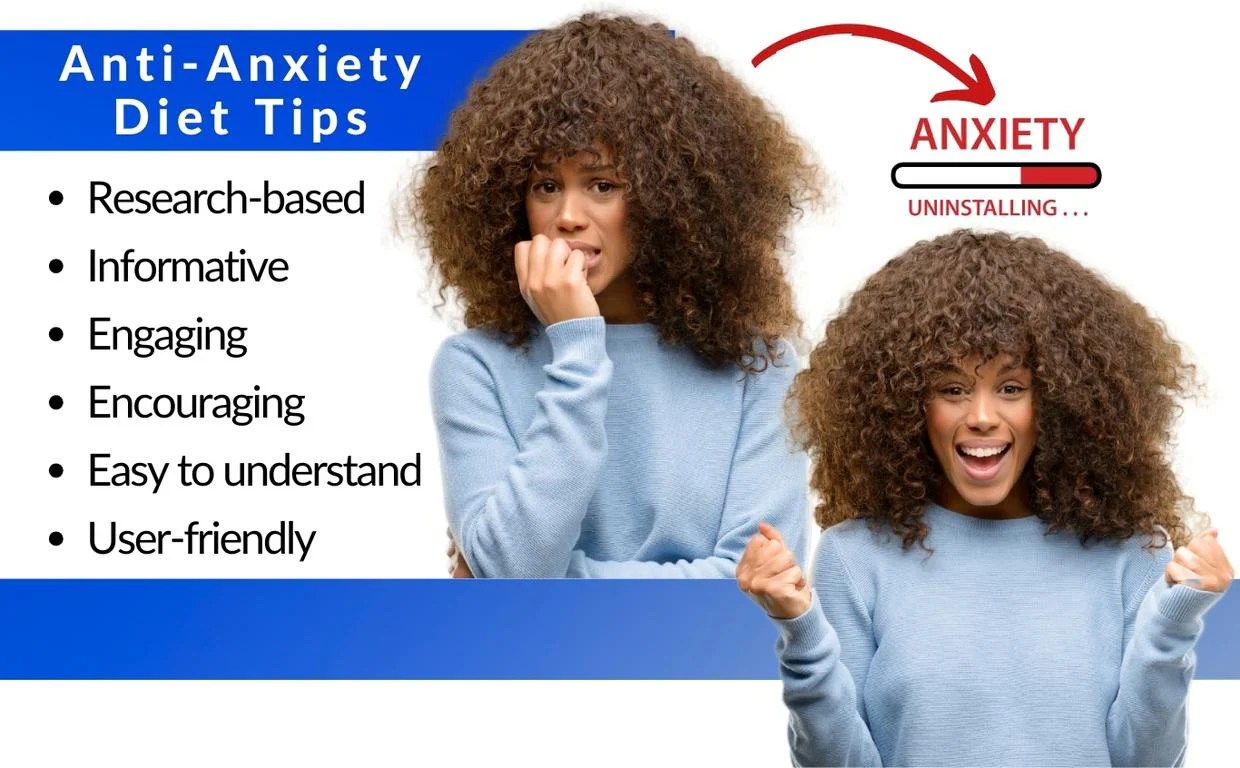
When it comes to managing anxiety naturally, making dietary modifications can play a significant role in improving symptoms and overall well-being.
Foods to Alleviate Anxiety
Some foods have been shown to help alleviate anxiety symptoms due to their calming effects on the body. Incorporating these into your diet may be beneficial:
- Fatty fish rich in omega-3 fatty acids, such as salmon and mackerel
- Leafy greens like spinach and kale, which are high in magnesium
- Probiotic-rich foods like yogurt and kefir to support gut health
- Almonds and walnuts, which are good sources of healthy fats and vitamin E
Hydration and Anxiety
Staying hydrated is essential for overall health and can also help in managing anxiety. Dehydration can contribute to feelings of anxiousness and stress, so make sure to drink an adequate amount of water throughout the day.
Impact of Caffeine and Sugar
Caffeine and sugar intake can have a significant impact on anxiety levels. While caffeine can increase feelings of nervousness and restlessness, sugar can lead to energy spikes and crashes that may worsen anxiety symptoms. It's important to moderate consumption of these substances for better anxiety management.
Stress Management Techniques
Managing stress is crucial in reducing anxiety and improving overall well-being. Incorporating effective stress management techniques into daily routines can make a significant difference in how we navigate challenges and maintain mental health.
Deep Breathing Exercises
Deep breathing exercises are a powerful tool in reducing anxiety and stress. By focusing on slow, deep breaths, you can activate the body's relaxation response and calm the mind. Practice deep breathing exercises regularly to alleviate tension and promote a sense of calm.
Setting Boundaries
Setting boundaries is essential in reducing stress and anxiety. By clearly defining limits and priorities, you can avoid becoming overwhelmed and maintain a healthy balance in your life
Time Management Tips
- Organize your tasks: Break down your workload into manageable chunks and prioritize important tasks.
- Set realistic goals: Avoid overcommitting yourself and create a realistic schedule that allows for breaks and relaxation.
- Avoid multitasking: Focus on one task at a time to improve efficiency and reduce stress levels.
- Practice mindfulness: Stay present in the moment and avoid worrying about the past or future to reduce anxiety.
Social Support and Relationships
Social support plays a crucial role in managing anxiety as it provides a sense of belonging, reduces feelings of isolation, and offers emotional comfort during challenging times. Cultivating strong social connections can significantly alleviate anxiety symptoms and improve overall well-being.
Open communication in relationships is essential for addressing anxiety triggers and fostering trust and understanding. Establishing healthy boundaries in relationships is key to maintaining mental health and preventing unnecessary stressors.
Ways to Cultivate Strong Social Connections
- Regularly check in with friends and family members through calls, texts, or in-person meetings to maintain a sense of connection.
- Join clubs, classes, or support groups that align with your interests to meet like-minded individuals and build new relationships.
- Volunteer for community activities or charitable organizations to connect with others while making a positive impact on society.
- Practice active listening and empathy when engaging with others to strengthen bonds and deepen relationships.
Importance of Open Communication in Relationships
- Express your thoughts, feelings, and concerns openly and honestly with your loved ones to prevent misunderstandings and resolve issues effectively.
- Encourage a safe and non-judgmental environment for open dialogue to foster trust and emotional support within your relationships.
- Seek professional help or therapy if communication barriers persist or if you require guidance in improving communication skills within your relationships.
Examples of Healthy Boundaries in Relationships
- Clearly communicate your needs and limits to others to establish boundaries and prevent feelings of overwhelm or resentment.
- Respect the boundaries set by others and avoid pressuring them to go beyond their comfort levels or personal boundaries.
- Take time for self-care and prioritize your well-being to maintain a healthy balance in your relationships and prevent burnout or emotional exhaustion.
Last Word
As we conclude our exploration of lifestyle and diet tips to manage anxiety naturally, it becomes evident that small changes in daily habits can lead to significant improvements in overall mental health. By incorporating these strategies into your routine, you can take proactive steps towards a calmer and more balanced life.
Embrace these tips, and embark on a journey towards a healthier mind and a happier you.
Q&A
How can regular exercise help in managing anxiety?
Regular exercise boosts endorphins, reduces stress hormones, and improves sleep, all of which contribute to lower anxiety levels.
What foods can help alleviate anxiety symptoms?
Foods rich in omega-3 fatty acids, magnesium, and antioxidants like berries can help alleviate anxiety symptoms.
How does setting boundaries reduce stress and anxiety?
Setting boundaries helps in avoiding overcommitment and allows you to prioritize self-care, reducing stress and anxiety triggers.