Exploring the world of preventive health checkups brings to light the essential aspects that contribute to overall well-being. From understanding when to start these checkups to preparing for them and interpreting the results, this journey is filled with valuable insights that can positively impact your health.
Importance of preventive health checkups
Regular preventive health checkups play a crucial role in maintaining overall well-being and catching potential health issues early on before they escalate into more serious conditions.
Common Preventive Health Screenings and Tests
- Blood Pressure Monitoring: Regular blood pressure checks can help detect hypertension early, reducing the risk of heart disease and stroke.
- Cholesterol Levels: Monitoring cholesterol levels can aid in preventing cardiovascular diseases.
- Blood Glucose Tests: Screening for diabetes can help in managing the condition effectively and preventing complications.
- Cancer Screenings: Tests such as mammograms, Pap smears, and colonoscopies can detect cancer in its early stages, improving treatment outcomes.
Statistics on Cost Savings from Preventive Checkups
According to the Centers for Disease Control and Prevention (CDC), preventive health services can save $3 for every $1 spent by reducing the need for expensive treatments for chronic diseases.
When to start getting preventive health checkups
Regular preventive health screenings are essential for maintaining overall well-being and catching any potential health issues early on. The age at which individuals should start getting these checkups can vary depending on various factors.Factors that may influence when an individual should begin preventive health checkups include personal and family medical history, lifestyle choices, and any existing health conditions.
It is important to consult with a healthcare provider to determine the most appropriate age to start these screenings based on individual circumstances.
Recommended Age for Preventive Health Checkups
- For most adults, it is generally recommended to start regular preventive health screenings in their 20s or 30s. This may include blood pressure checks, cholesterol screenings, and certain cancer screenings based on risk factors.
- As individuals age, the frequency and types of preventive health screenings may change. For example, women may need to start getting mammograms for breast cancer screening around the age of 40 or 50, while men may need prostate cancer screenings starting around age 50.
- For older adults, additional screenings for conditions such as osteoporosis, diabetes, and cognitive function may be recommended.
Types of preventive health checkups
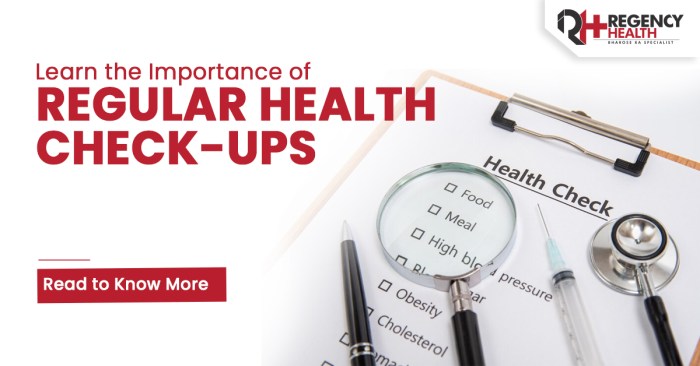
Regular health checkups are crucial for maintaining overall well-being and catching potential health issues early on. There are different categories of preventive health checkups, each serving a specific purpose in identifying and preventing various diseases.
Cardiovascular screenings
Cardiovascular screenings are essential for assessing the risk of heart disease and related conditions. These screenings help in early detection and management of cardiovascular issues, reducing the risk of heart attacks and strokes. Some common tests include:
- Blood pressure measurement
- Cholesterol level testing
- Electrocardiogram (ECG)
Cancer screenings
Cancer screenings aim to detect cancer at an early stage when treatment is most effective. These screenings help in identifying abnormal growths or tumors before they become cancerous. Examples of cancer screenings include:
- Mammograms for breast cancer
- Colonoscopies for colorectal cancer
- Pap smears for cervical cancer
Diabetes screenings
Diabetes screenings are crucial for early detection and management of diabetes, a chronic condition that affects blood sugar levels. These screenings help in preventing complications associated with diabetes. Common tests for diabetes include:
- Fasting blood sugar test
- Oral glucose tolerance test
- Glycated hemoglobin (A1C) test
How to prepare for a preventive health checkup
Before your preventive health checkup, there are certain steps you can take to make the most out of the appointment and ensure accurate results.
Healthy Dietary and Lifestyle Changes
- Consider eating a balanced diet leading up to the checkup, focusing on fruits, vegetables, whole grains, and lean proteins. Avoid excessive sugar, salt, and processed foods.
- Stay hydrated by drinking plenty of water in the days leading up to the checkup.
- Avoid alcohol and limit caffeine intake, especially on the day before the appointment.
- Get adequate rest and try to reduce stress levels to ensure accurate blood pressure and heart rate readings.
- If you are a smoker, consider cutting back or quitting before the checkup to improve overall health markers.
Scheduling and Preparation
- Make sure to schedule your appointment at a time when you can fast if required for blood tests. Follow any specific fasting instructions provided by your healthcare provider.
- Bring a list of current medications, including over-the-counter supplements and vitamins, to discuss with your healthcare provider.
- Wear comfortable clothing and easy-to-remove layers for easy access during the checkup.
- Prepare a list of questions or concerns you may have about your health to discuss with your doctor during the appointment.
Understanding preventive health checkup results
Upon receiving the results from preventive health screenings or tests, it is essential to know how to interpret them correctly. Understanding the outcomes can guide you in taking the necessary actions for your health.
Interpreting Results
- Normal results: If your results fall within the normal range, it indicates that everything is functioning as expected. Continue with your regular health habits and schedule your next preventive checkup as recommended.
- Abnormal results: Abnormal results could signal underlying health issues or risk factors. It is important not to panic but to consult your healthcare provider for further evaluation.
- Borderline results: Borderline results may require additional monitoring or lifestyle changes to prevent progression into a more serious condition. Your healthcare provider will advise you on the necessary steps.
Taking Action
- Follow-up appointments: If your results are abnormal or borderline, it is crucial to schedule follow-up appointments with your healthcare provider. They may recommend further tests or treatments.
- Healthy lifestyle changes: Depending on the results, your healthcare provider may suggest making lifestyle modifications such as improving your diet, increasing physical activity, or managing stress.
- Medication or treatment: In some cases, abnormal results may require medication or other treatments. It is important to follow your healthcare provider's recommendations for optimal health.
Final Wrap-Up
In conclusion, embracing preventive health checkups is a proactive step towards maintaining a healthy lifestyle. By staying informed, taking necessary precautions, and being proactive in seeking medical advice, you are investing in your well-being for the long haul.
Expert Answers
At what age should I start getting preventive health checkups?
It is recommended to start regular preventive health screenings in your 20s or 30s, depending on individual health factors.
What are some common preventive health screenings?
Common preventive health screenings include cholesterol tests, blood pressure checks, and cancer screenings like mammograms and colonoscopies.
How can I prepare for a preventive health checkup?
To prepare for a preventive health checkup, you can fast if required, bring a list of current medications, and wear comfortable clothing.