Exploring the realm of top nutrition plans for heart health, this introduction sets the stage for an enlightening journey into the significance of nutrition in maintaining a healthy heart. From essential nutrients to the impact of diet on heart health, this overview promises to offer valuable insights and practical advice.
Importance of Nutrition for Heart Health
Proper nutrition plays a crucial role in maintaining heart health. The food we eat provides essential nutrients that help support the overall function of our heart and cardiovascular system.
Nutrients Essential for Heart Health
A diet rich in the following nutrients can help promote heart health:
- Omega-3 fatty acids: Found in fatty fish like salmon, these healthy fats can help reduce inflammation and lower the risk of heart disease.
- Antioxidants: Found in fruits and vegetables, antioxidants help protect the heart from damage caused by free radicals.
- Fiber: Fiber-rich foods like whole grains, nuts, and seeds can help lower cholesterol levels and improve heart health.
- Potassium: Helps regulate blood pressure and maintain heart function. Sources include bananas, leafy greens, and potatoes.
Impact of a Poor Diet on Heart Health
A poor diet high in saturated fats, trans fats, cholesterol, and sodium can have detrimental effects on heart health. Consuming too much of these unhealthy nutrients can lead to high cholesterol, high blood pressure, and an increased risk of heart disease and stroke.
It is essential to prioritize a balanced diet rich in heart-healthy nutrients to support overall cardiovascular health.
Key Components of a Heart-Healthy Diet
Eating a heart-healthy diet is crucial for maintaining cardiovascular health and reducing the risk of heart disease. The key components of a heart-healthy diet include:
Types of Fats and Their Effects on Heart Health
When it comes to fats, not all are created equal. Some fats, like saturated fats and trans fats, can increase cholesterol levels and contribute to heart disease. On the other hand, monounsaturated and polyunsaturated fats, such as omega-3 fatty acids, are beneficial for heart health.
Consuming these healthier fats can help lower bad cholesterol levels and reduce the risk of heart disease.
Foods Beneficial for Heart Health
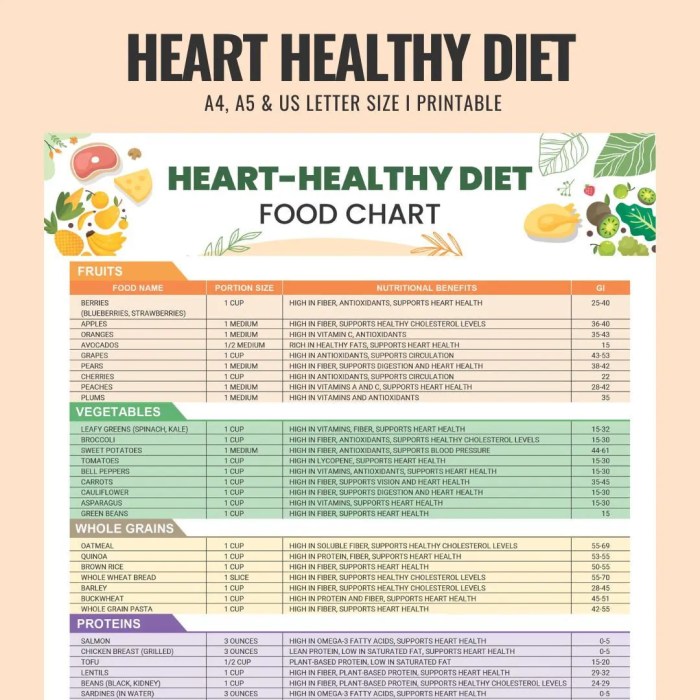
Incorporating certain foods into your diet can have a positive impact on heart health. Some examples include:
- Fatty fish like salmon, mackerel, and sardines, which are rich in omega-3 fatty acids
- Fruits and vegetables, which are high in antioxidants and fiber
- Whole grains like brown rice, quinoa, and oats, which can help lower cholesterol levels
- Nuts and seeds, which are good sources of healthy fats, fiber, and antioxidants
- Legumes like beans, lentils, and chickpeas, which are high in protein and fiber
- Lean proteins like skinless poultry, tofu, and legumes
By including these foods in your diet and being mindful of the types of fats you consume, you can support heart health and reduce the risk of cardiovascular disease.
Mediterranean Diet for Heart Health

The Mediterranean diet is a heart-healthy eating pattern inspired by the traditional dietary patterns of countries bordering the Mediterranean Sea. It is known for its numerous health benefits, particularly in reducing the risk of heart disease.
Benefits of the Mediterranean Diet
- Rich in heart-healthy fats: The diet emphasizes the consumption of olive oil, nuts, and seeds, which are sources of monounsaturated fats that can help improve cholesterol levels.
- Abundance of fruits and vegetables: The diet is high in fruits and vegetables, providing essential nutrients, fiber, and antioxidants that support heart health.
- Lean protein sources: Fish and poultry are preferred over red meat, reducing saturated fat intake and promoting overall heart health.
- Whole grains and legumes: These foods are staples of the Mediterranean diet, offering fiber, vitamins, and minerals that are beneficial for heart health.
- Moderate consumption of red wine: Red wine, when consumed in moderation, has been associated with heart health benefits due to its antioxidant content.
Research on the Mediterranean Diet
Studies have consistently shown that following a Mediterranean diet is linked to a reduced risk of heart disease, stroke, and overall mortality. Research has also indicated that the Mediterranean diet can improve various cardiovascular risk factors, such as blood pressure, cholesterol levels, and inflammation markers.
One notable study, the PREDIMED trial, demonstrated that individuals following a Mediterranean diet supplemented with extra-virgin olive oil or nuts had a significantly lower risk of cardiovascular events compared to those following a low-fat diet.
DASH Diet for Heart Health
The DASH (Dietary Approaches to Stop Hypertension) diet is a well-known eating plan that focuses on reducing high blood pressure and promoting heart health. It emphasizes consuming nutrient-rich foods that are low in saturated fats, cholesterol, and sodium.
Recommended Daily Servings in the DASH Diet
The DASH diet recommends daily servings from various food groups to ensure a balanced and heart-healthy diet. Here are the general guidelines for daily servings based on a 2,000-calorie diet:
- Grains: 6-8 servings
- Vegetables: 4-5 servings
- Fruits: 4-5 servings
- Dairy: 2-3 servings
- Lean protein sources (such as poultry, fish, beans, nuts): 6 or fewer servings
- Fats and oils: 2-3 servings
Success Stories with the DASH Diet
Many individuals have successfully improved their heart health by following the DASH diet. Testimonials often highlight significant reductions in blood pressure, cholesterol levels, and overall improvement in heart function. Some have even been able to reduce or eliminate the need for medication to manage heart conditions, solely through dietary changes.
Ultimate Conclusion
In conclusion, the discussion on top nutrition plans for heart health has shed light on the importance of making informed dietary choices to support a strong and healthy heart. By incorporating key components of heart-healthy diets like the Mediterranean and DASH diets, individuals can take proactive steps towards improving their heart health and overall well-being.
Clarifying Questions
What role does nutrition play in heart health?
Nutrition plays a crucial role in heart health by providing essential nutrients that support cardiovascular function and overall well-being.
How can a poor diet affect heart health?
A poor diet can negatively impact heart health by increasing the risk of heart disease, high blood pressure, and other cardiovascular conditions.
What are some key components of a heart-healthy diet?
Key components of a heart-healthy diet include fruits, vegetables, whole grains, lean proteins, and healthy fats.
Why is the Mediterranean diet beneficial for heart health?
The Mediterranean diet is beneficial for heart health due to its emphasis on plant-based foods, healthy fats, and moderate consumption of red wine.