In today's digital age, where many of us find ourselves working from home, maintaining good posture is more important than ever. This guide on Work-from-home health tips for better posture will delve into the significance of proper posture, offer ergonomic workstation setup tips, suggest stretching exercises, and explore the connection between mindfulness and posture awareness.
Let's embark on a journey to enhance our posture while working remotely.
Importance of Good Posture
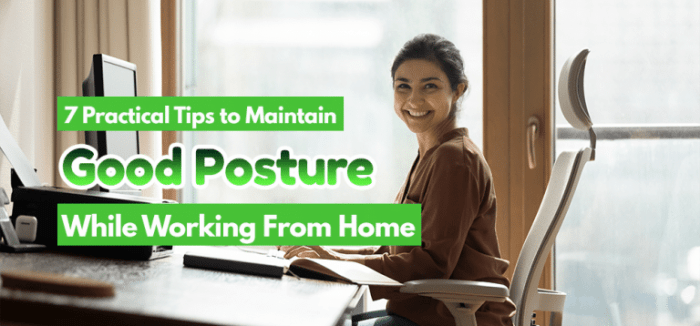
Maintaining good posture is crucial for overall health as it helps in reducing strain on muscles, joints, and ligaments. Proper posture also ensures that the body's weight is distributed evenly, preventing unnecessary pressure on certain areas.
Impact of Poor Posture
- Poor posture can lead to back and neck pain, headaches, and fatigue.
- It can also affect digestion, circulation, and even breathing.
- Over time, bad posture may contribute to long-term issues such as spinal misalignment and arthritis.
Benefits of Proper Posture while Working from Home
- Improved focus and productivity due to better blood flow and oxygen circulation.
- Reduced risk of musculoskeletal problems such as carpal tunnel syndrome and shoulder impingement.
- Enhanced confidence and overall mood, leading to better mental well-being.
Ergonomic Workstation Setup
Setting up an ergonomic workstation at home is crucial for maintaining good posture and preventing discomfort or injuries. Here are some tips to help you create an optimal workspace:
Correct Positioning of Monitor, Keyboard, and Chair
- Position the top of your monitor at or slightly below eye level to reduce strain on your neck.
- Place the keyboard and mouse close to the edge of the desk to avoid reaching forward, keeping your elbows close to your body.
- Ensure your chair is at a height where your feet can rest flat on the floor, with your knees at a 90-degree angle.
Importance of Using an Adjustable Chair and Footrest
Adjustable chairs allow you to customize the height and backrest to support your lower back and maintain proper spinal alignment. A footrest can also help relieve pressure on your lower back and improve circulation in your legs.
Regular Stretching and Exercise
Regular stretching and exercise are essential components of maintaining good posture, especially for those working from home. These practices help prevent muscle stiffness, improve flexibility, and reduce the risk of developing posture-related issues.
Simple Stretching Exercises
- Neck stretches: Gently tilt your head from side to side, forward and backward to relieve tension in the neck and shoulders.
- Shoulder rolls: Roll your shoulders in a circular motion to release tension and improve shoulder mobility.
- Upper back stretch: Interlace your fingers in front of you and push your hands forward, rounding your upper back to stretch the muscles.
Benefits of Exercise Breaks
Regular exercise breaks throughout the workday can boost productivity, increase energy levels, and reduce the risk of musculoskeletal problems. Incorporating short bursts of physical activity can also improve focus and overall well-being.
Desk-Friendly Exercises
- Seated leg lifts: Lift one leg at a time while seated to engage the core and lower body muscles.
- Desk shoulder blade squeeze: Sit up straight, squeeze your shoulder blades together, and hold for a few seconds to improve posture.
- Wrist stretches: Extend one arm with the palm facing down, gently press on the fingers with the other hand to stretch the wrist and forearm muscles.
Mindfulness and Posture Awareness
Maintaining good posture goes beyond just physical adjustments; it also involves being mindful of your body positioning throughout the day. Being mindful of your posture can help prevent slouching, reduce back pain, and promote better spinal alignment.
Techniques for Staying Mindful of Posture
- Set reminders: Use alarms or notifications on your phone or computer to remind yourself to check your posture regularly.
- Use posture cues: Place sticky notes with posture reminders on your workstation or mirror to keep your posture in check.
- Practice mindfulness: Take a few moments throughout the day to focus on your body alignment and make adjustments as needed.
Role of Mindfulness in Preventing Slouching
Being mindful of your posture can help prevent slouching by bringing awareness to how you are sitting or standing. When you are mindful of your posture, you are more likely to make conscious efforts to sit up straight, engage your core muscles, and maintain proper alignment.
Epilogue
As we wrap up our discussion on Work-from-home health tips for better posture, remember that small changes in your daily routine can have a big impact on your overall health. By incorporating these tips into your work-from-home setup, you can improve your posture, reduce the risk of health issues, and boost your productivity.
Here's to a healthier and more comfortable work environment!
FAQ Resource
How often should I take breaks to improve my posture while working from home?
It is recommended to take a short break every 30 minutes to stand up, stretch, and readjust your posture.
Can using a standing desk help with maintaining good posture?
Yes, alternating between sitting and standing at a standing desk can help reduce the strain on your back and improve posture.
What are some desk-friendly exercises I can do to alleviate muscle tension?
Desk-friendly exercises like shoulder rolls, neck stretches, and seated twists can help relieve muscle tension and improve posture.